02
Vietnamese Red Plastic Stool
The iconic low stool found beside street kitchens and neighbourhood cafés. Light, strong and timeless.
€32
Ships from Brussels in 1–2 business days.
Notify me when it returns
Receive an email when the next batch arrives.
Specifications
- Material
- Moulded polypropylene plastic
- Origin
- Vietnam
- Height
- 22 cm
- Weight
- 0.7 kg
- Stackable
- Yes
Made for everyday street and home life. Small marks from use are normal and part of how these stools age.
Vietnamese Red Plastic Stool photographs
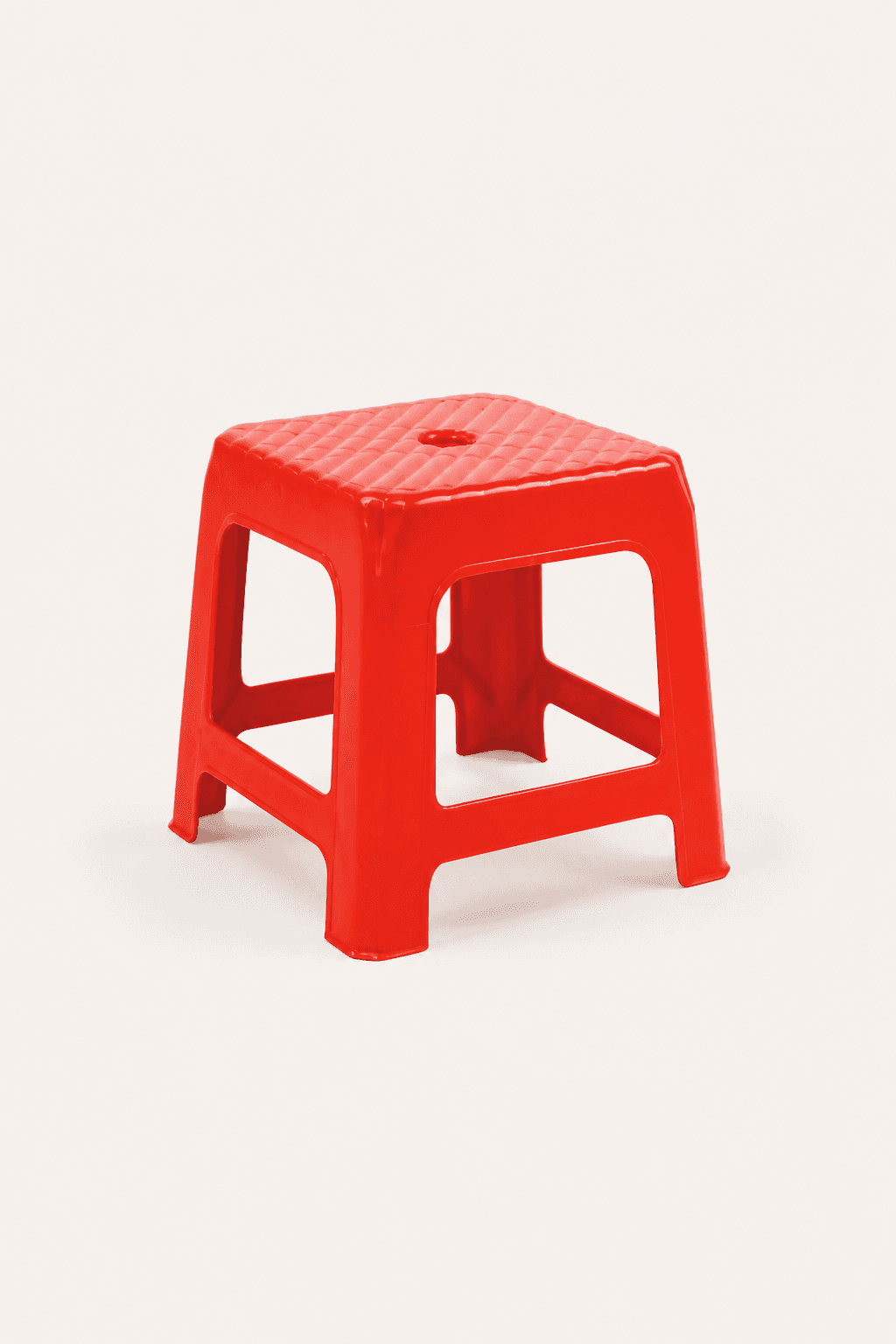
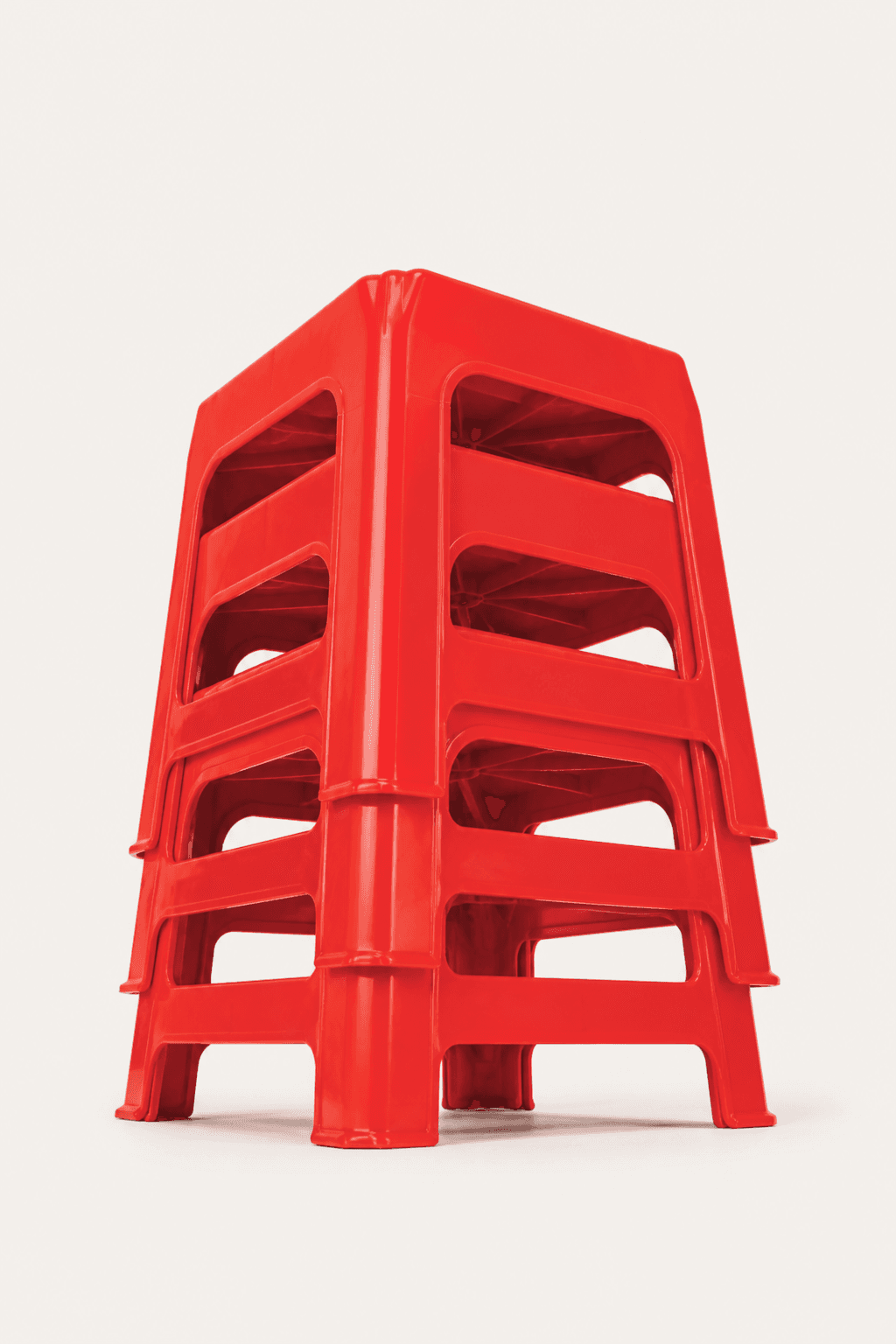
01 / 02
History
The low plastic stool belongs to a wider family of one-piece moulded seats — often called Monobloc — that spread across the world in the late twentieth century. Designers and factories experimented with injection-moulded plastic for decades; French makers such as Henry Massonnet (Stamp’s Fauteuil 300, early 1970s) and later mass-market garden chairs helped the idea travel far beyond Europe.
In Vietnam, the stool found its true life after Đổi Mới in the late 1980s and early 1990s, when local plastics manufacturing scaled up. It slowly replaced bamboo and wooden ghế đẩu on the pavement: lighter, waterproof, cheap enough to buy in stacks, easy to strap to a motorbike.
No single Vietnamese designer is usually named for the red street stool. It became culture by use — pulled up at street kitchens, trà đá stalls and family courtyards — because it matched how people already liked to sit: low, close, ready for one more guest.
What is it?
A low red stool used across Vietnam outside cafés, street kitchens, family homes and tiny neighbourhood restaurants.
It is lightweight, stackable and made for everyday sitting — indoors or outdoors.
Why is it special?
Simple in shape and immediately recognisable, the stool has become part of the visual language of Vietnamese streets.
It is an ordinary object with cultural presence: practical furniture that also holds a sense of place.
How is it made?
The stool is injection-moulded from plastic in a single piece — strong enough for daily outdoor life, light enough to carry by the dozen.
The low height suits street tables and the Vietnamese habit of gathering close to the ground.
Care instructions
- Wipe with a damp cloth and mild soap.
- Suitable for indoor and outdoor use.
- Avoid prolonged contact with open flame or extreme heat.
- Rinse after outdoor use if exposed to dust or street dirt.
FAQs
Is it only for outdoor use?
No. It works equally well indoors — at a desk, by a window, or as extra seating at home.
Can the stools be stacked?
Yes. They are designed to stack neatly for storage or transport.
How strong is it?
It is made for everyday adult use in busy street and home settings. Treat it as sturdy seating, not a climbing surface.
Other objects
More from the collection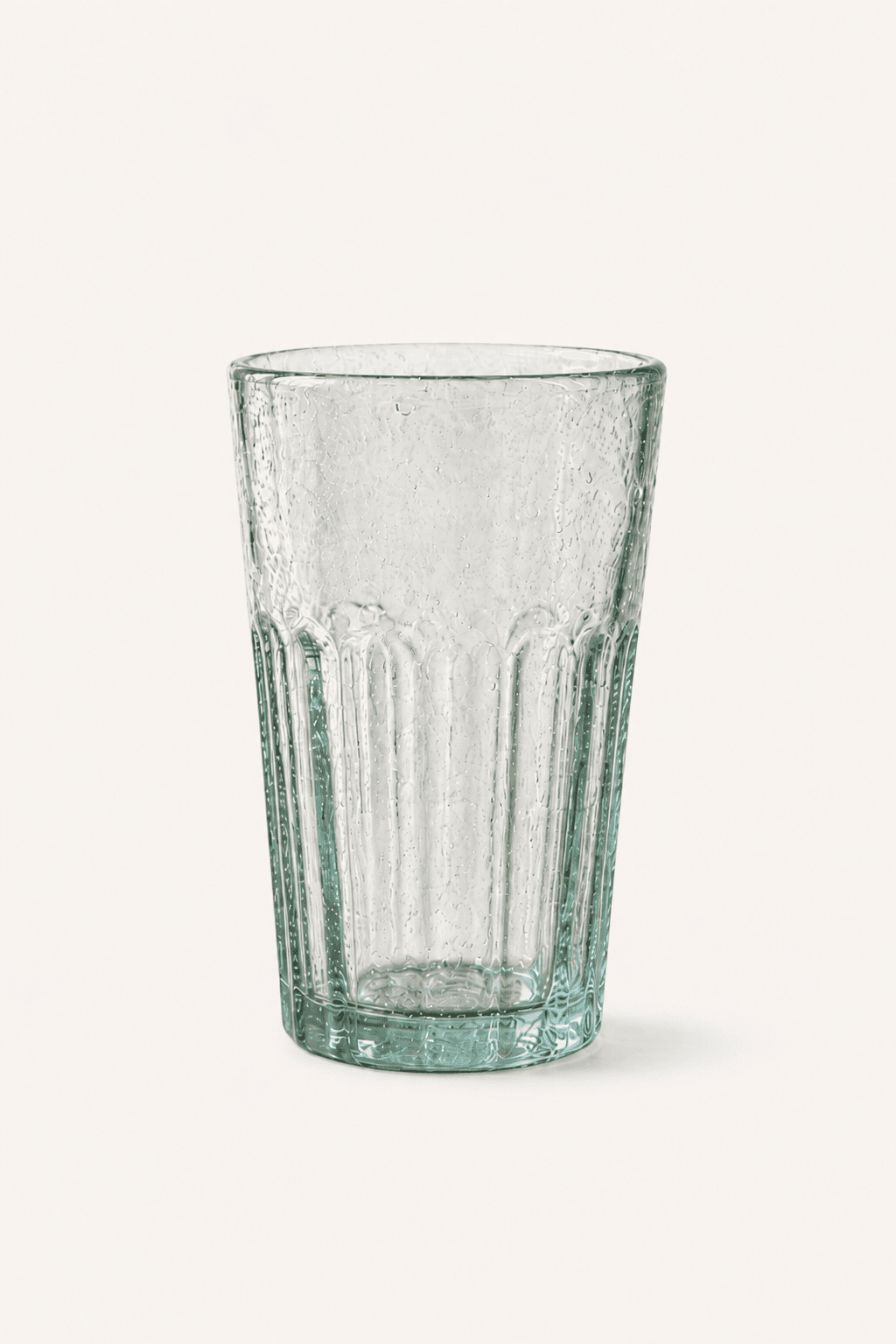
Bia Hơi Glass
€37
Sold out
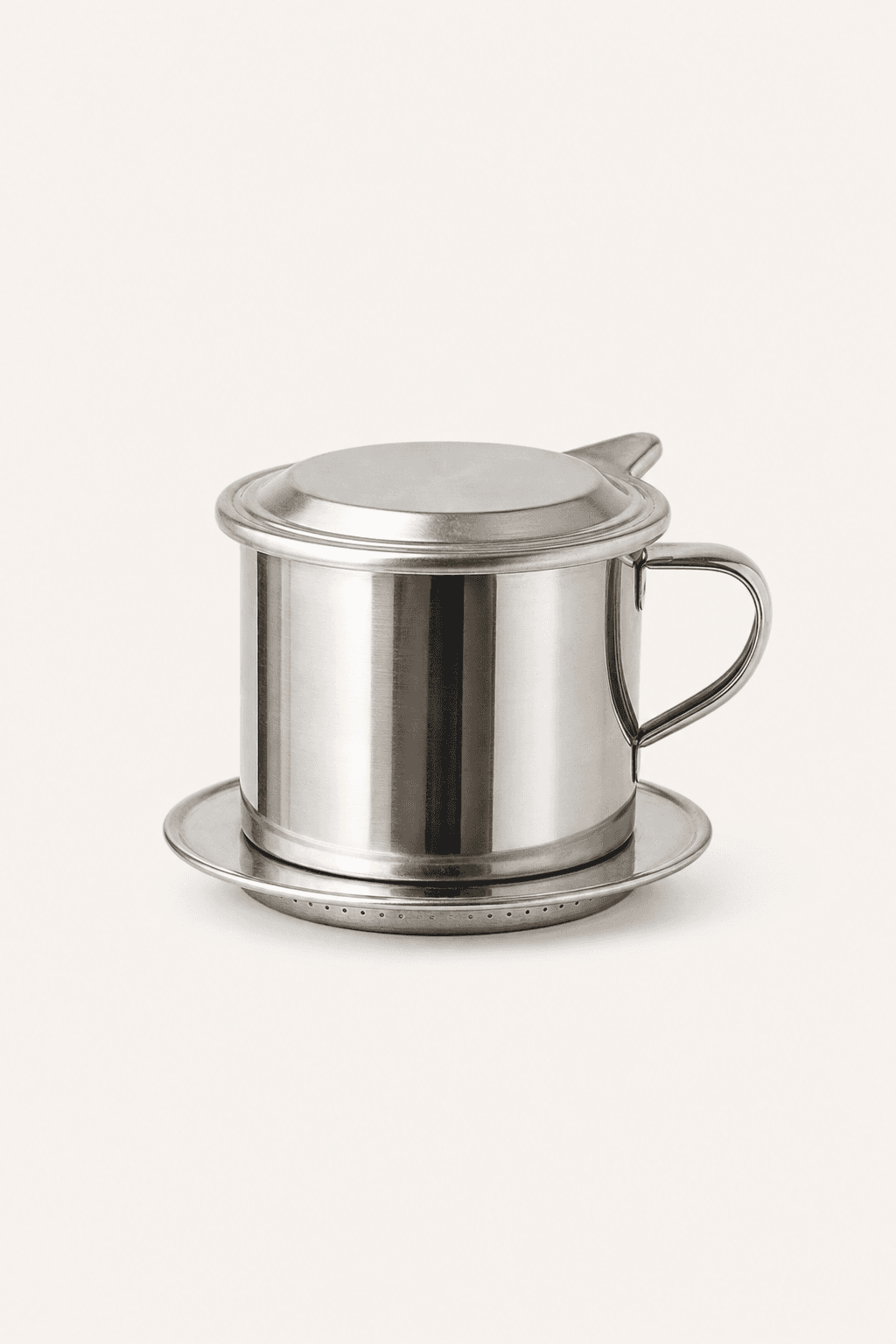
Vietnamese Coffee Dripper
€22
Sold out